Disclosure: Top Local Diner is reader-supported. When you buy through links on our site, we may earn an affiliate commission. Learn more.
Diners are masters of efficiency. Serving massive menus 24/7 requires not just cooking skills, but expertise in keeping ingredients fresh. Before modern refrigeration, preservation was about survival; today, in the diner world, it's about flavor and logistics.
Pickling and Brining
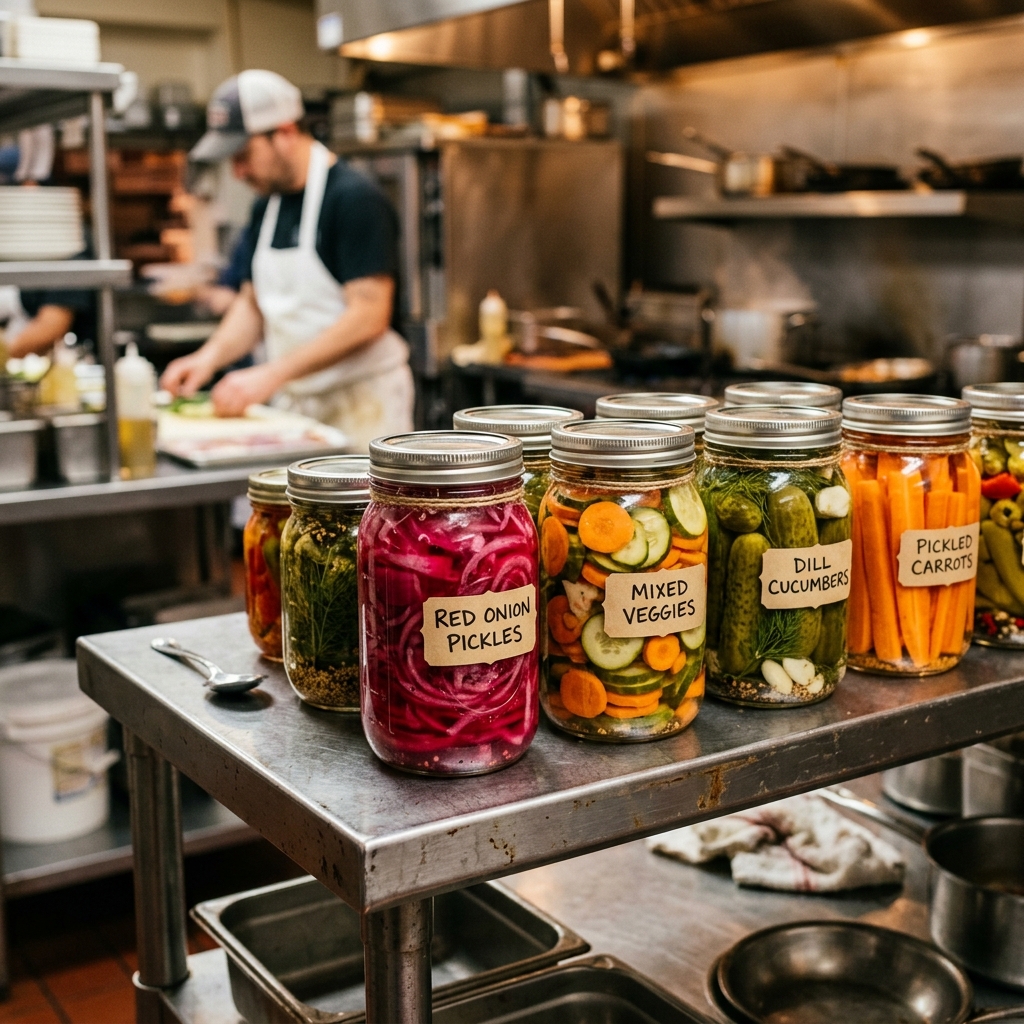
Walk into any authentic diner and you'll find pickled items. From the crisp dill spears served alongside club sandwiches to pickled red onions topping a salad, the acid and salt in brines not only extend shelf life but also cut through the richness of fried foods. Many diners still house-pickle their vegetables using family recipes.
Curing Meats
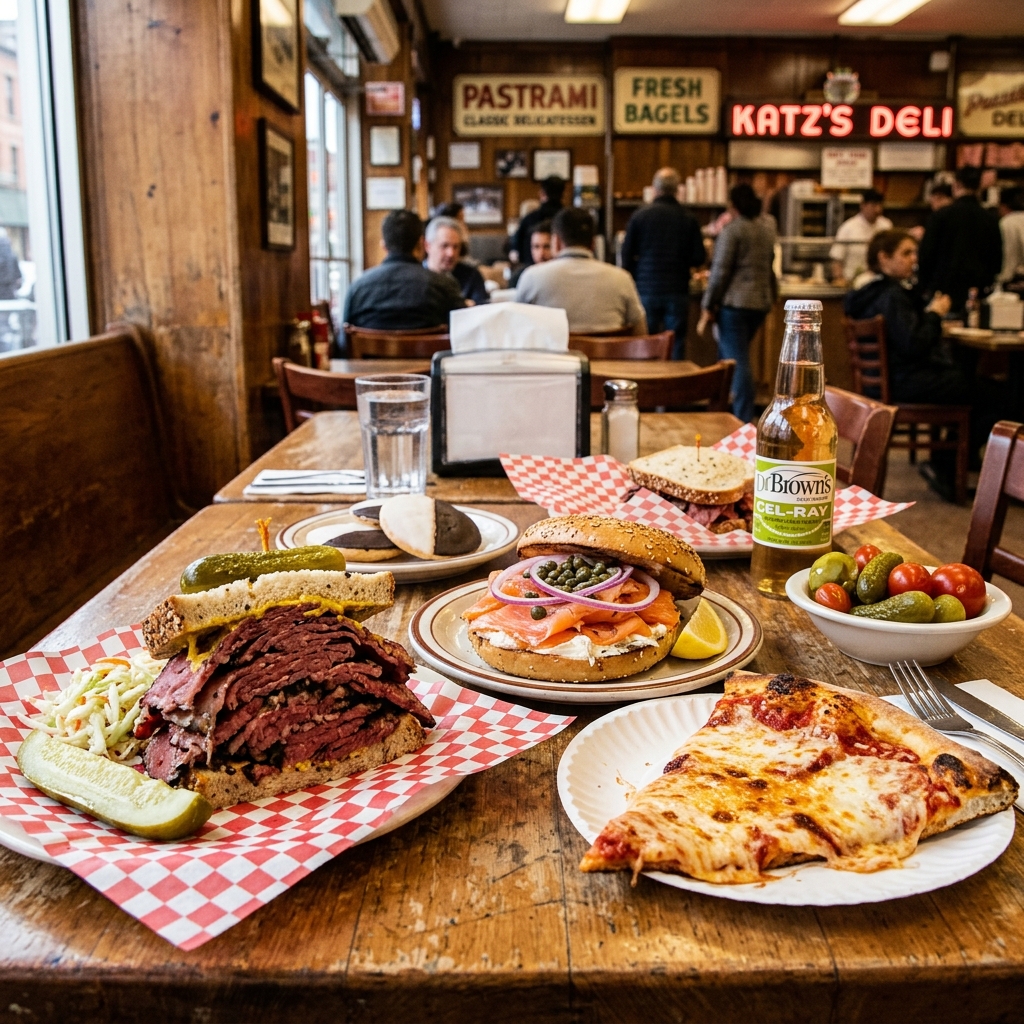
Think of corned beef hash or pastrami. These diner staples rely on curing—using salt, sugar, and nitrates to draw out moisture and prevent bacterial growth. The slow curing process gives these meats their distinctive color and intense, savory flavor that defines classic diner breakfasts and deli sandwiches.
Batch Freezing and Portion Control
While fresh is best, strategic freezing is crucial. Diners often make massive batches of soups, chilies, and gravies, rapidly cooling and freezing them in precise portions. This 'cook-chill' method ensures consistency in flavor and allows a single prep cook's work to last throughout the week without spoilage.
About the Author
Sarah is a culinary historian who spends her time tracing the origins of classic American comfort food and diner culture.